
Kibbe Body Type Quiz vs. Self Test: Which Is Right for You?
Confused by Kibbe body types? Discover the difference between taking a Kibbe body type quiz vs. self-testing to find your true style identity faster.
If you have ever stared in the mirror trying to decide if your shoulders are "blunt" or "sharp," or if your vertical line is "moderate" or "long," you are not alone. The search for your Kibbe body type is often confusing, filled with conflicting advice and subjective interpretations.
Many people spend months analyzing their own photos, only to change their mind everyday. This is why many turn to a kibbe body type quiz to cut through the noise. But is a quiz better than studying the theory yourself?
In this guide, we will break down the differences between self-testing and using a structured tool, so you can stop guessing and finally discover your true image identity.
Skip the confusion: If you want an objective analysis right now, take our free Kibbe Body Type Quiz to get your result in minutes.
What Is a Kibbe Body Type?
Unlike traditional body shape systems that classify you as a "pear," "apple," or "hourglass," the Kibbe system is based on the balance of Yin (softness, curves) and Yang (sharpness, structure) in your body.
Created by David Kibbe in the 1980s, this system looks at your total essence:
- Bone Structure: The framework of your body (shoulders, limbs, height).
- Body Flesh: How muscle and softness sit on your bones.
- Facial Features: The lines and shapes of your face.
There are 13 (or sometimes 10 main) image identities, ranging from the sharp and tall Dramatic to the soft and curvy Romantic, with many nuanced types like Soft Natural or Flamboyant Gamine in between.
Why It’s Hard to Know Your Kibbe Body Type
identifying your own type is notoriously difficult. Here is why so many people get stuck:
1. Body Dysmorphia and Subjectivity
It is almost impossible to look at yourself objectively. You might focus on "wide hips" because you are self-conscious about them, even if your bone structure is actually narrow. A subjective view skews your results.
2. Misunderstanding Terminology
Kibbe language is specific. "Width" in Kibbe doesn't mean "wide" in the conventional sense; it refers to a specific openness in the upper back and shoulders. "Curve" doesn't just mean having a bust; it refers to a continuous curved line in your silhouette. Without studying the theory deepy, these terms are easy to misinterpret.
3. Conflicting Online Advice
Social media is full of misinformation. One creator might say "shoulders like this are Natural," while another says they are "Classic." This overload of unverified info leads to "typing paralysis."

How to Figure Out Your Kibbe Body Type
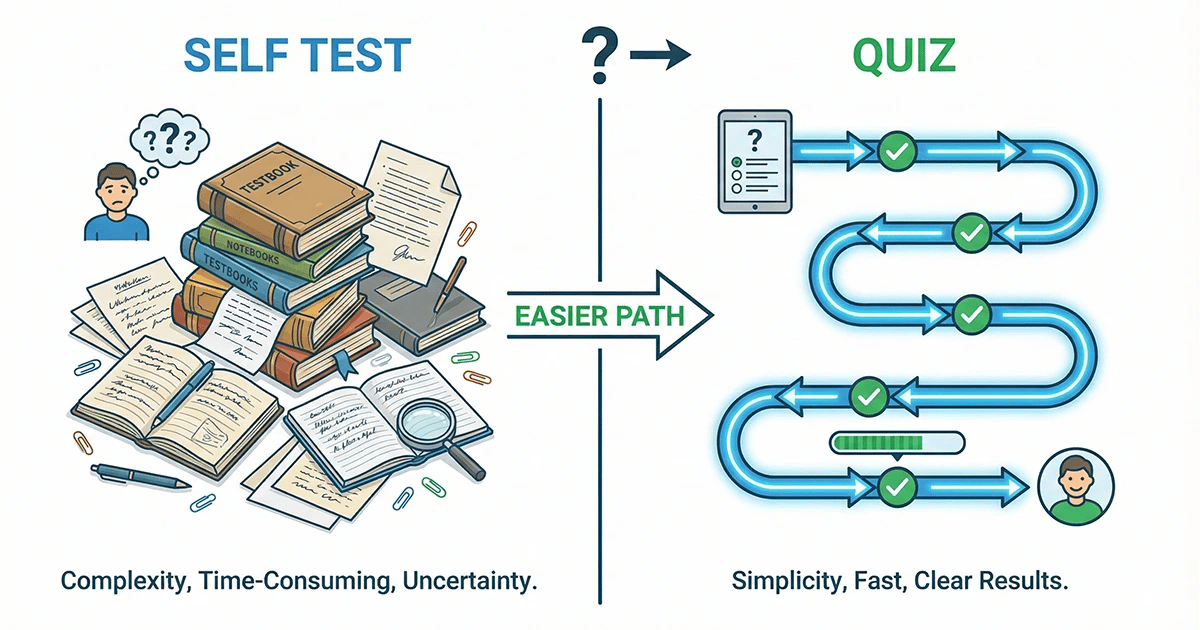
There are generally three ways to find your type. Let's compare them.
-
Strict Self-Observation (The Hard Way)
- Method: You read the original "Metamorphosis" book or deep-dive forums, analyze your own photos, and draw lines over your silhouette.
- Pros: deeply educational; you learn the nuances of the system.
- Cons: Takes months; highly prone to user error; requires massive time investment. Most people who self-test eventually end up taking a quiz anyway.
-
Professional Analysis
- Method: You pay a stylist trained in the system to type you.
- Pros: Objective and expert opinion.
- Cons: Can be very expensive; hard to find certified experts.
-
Taking a Kibbe Body Type Quiz (The Smart Way)
- Method: You answer a series of specific questions about your bones and flesh, and an algorithm calculates the balance.
- Pros: Fast; removes emotional bias; aggregates complex rules into a simple result.
- Cons: Only as accurate as your answers (though good quizzes frame questions to avoid ambiguity).
Our recommendation? Start with a structured quiz to get an objective baseline, then read the profile to confirm it resonates.
Is a Kibbe Body Type Quiz Accurate?
A common question is: "Can a computer really tell me my style identity?"
The honest answer is: It depends on the quiz.
A "buzzfeed-style" quiz that asks "What is your favorite color?" is useless. However, a properly designed Kibbe body type test works like a diagnostic tool. It isolates specific variables—vertical line, shoulder shape, flesh distribution—and tallies your Yin/Yang balance mathematically.
Why a Quiz Can Be Better Than Self-Testing
When you self-test, you might say, "I have big eyes, so I must be Romantic." But a quiz weighs that single trait against 15 other factors. If your bone structure is undeniably sharp (Yang), having big eyes won't incorrectly tip the entire scale if the algorithm is solid. It forces you to look at the sum of your parts, not just your favorite (or least favorite) features.
Try it yourself: Our Kibbe Body Type Quiz is designed to guide you through these specific traits without calculating the math yourself.

What to Do After You Know Your Kibbe Type
Once you have your result—whether it's Soft Classic, Flamboyant Natural, or Theatrical Romantic—the real fun begins.
- Read the Style Guide: Go to our Types Overview and find your specific profile. Understand why you were typed that way.
- Audit Your Closet: Look at your clothes. Do they honor your vertical line? Do they accommodate your width?
- Experiment: Don't throw everything away. Try creating one "perfect" outfit for your new type and see how it feels compared to your old clothes.
- Use the Charts: Use our Comparison Chart to see how your type differs from its neighbors. This helps refine your understanding and confirms you haven't mistyped yourself.
Knowing your type isn't a rulebook—it's a permission slip to wear what actually makes you look your best.
Common Questions About Kibbe Body Types (FAQ)
Is the Kibbe body type quiz accurate? ▼
Can I be between two Kibbe types? ▼
What is the most common Kibbe body type? ▼
Do I need to take the quiz if I already know my body shape? ▼
Conclusion
Finding your Kibbe body type shouldn't be a source of stress. It is a journey to understanding your natural geometry and learning to work with it rather than against it.
While self-study is valuable, it is easy to get lost in the details. A structured Kibbe body type quiz cuts through the noise and gives you a clear, objective starting point.
Stop guessing and start dressing for your true self.
If you’ve been going back and forth for weeks, that’s already your answer.